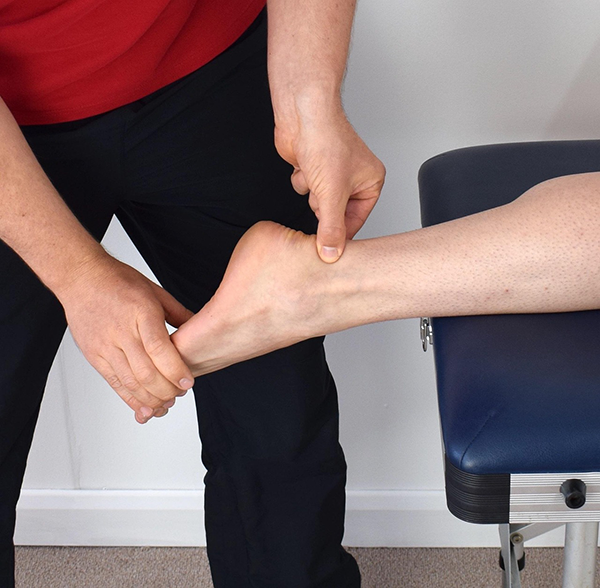

Some pain is polite. It turns up after a long day and leaves after a decent night's sleep. Other pain moves in, leaves its slippers by the door and refuses to pay rent. That second kind, the heel that stabs you on your first step out of bed or the elbow that grumbles every time you lift a mug of teh tarik, is where piezoelectric focused shockwave therapy comes in.
If you've ever typed "physiotherapy Petaling Jaya" into Google at 2am with a throbbing heel, welcome. At The Art of Physio we get asked about this treatment a lot. Is it a laser? No. Is it an electric shock? Also no, thankfully. Here's what it actually is, who it may help and what a session feels like.
What Is Piezoelectric Focused Shockwave Therapy?
In plain English, it's a non-surgical treatment that uses focused sound waves to help relieve pain and support your body's natural healing process. No cuts, no stitches, no hospital gown that refuses to close at the back.
The clever part is the word "focused". Rather than spreading energy everywhere, the device can deliver it to specific areas deep inside the body. Picture a magnifying glass concentrating sunlight onto a single spot. It may help people with certain muscle, tendon and joint problems, the kind that turn ordinary movements into a daily negotiation.
How Does It Work?
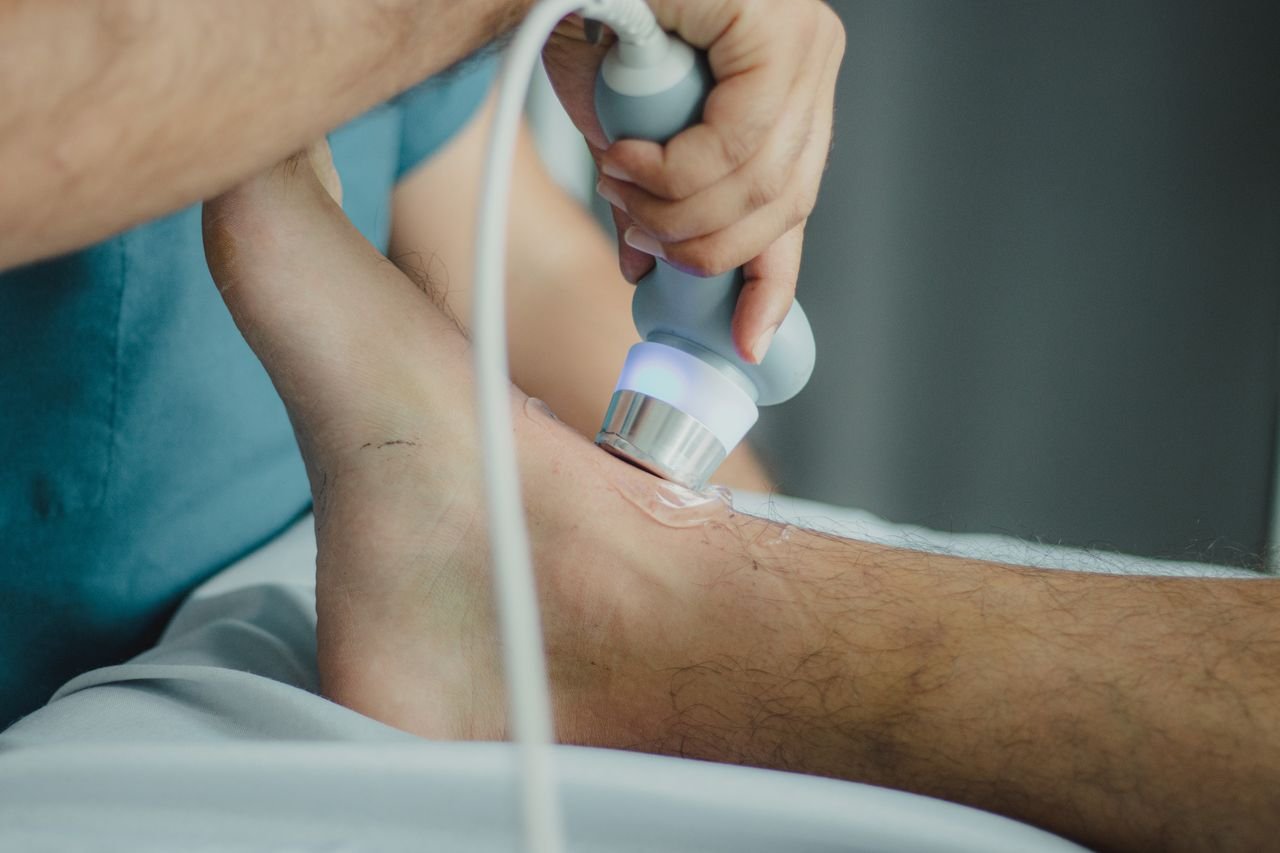
The device uses special crystals to produce sound waves. (Yes, crystals. No, not the kind sold at weekend wellness bazaars.) These waves are focused on the affected area to deliver energy to the tissues that need it.
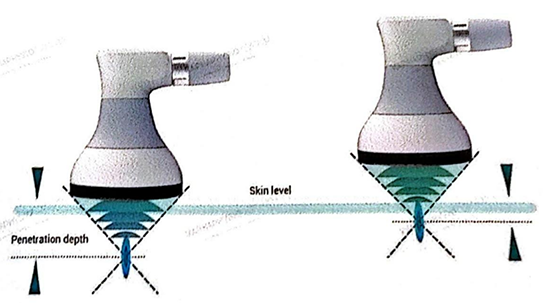
That energy may help reduce pain and support tissue recovery. At The Art of Physio, your physiotherapist can adjust both the treatment depth and the energy level based on the condition being treated, so a sore heel and a cranky shoulder don't get identical settings.
How deep can it go? Depending on the device and applicator, the waves can reach tissues up to 6.5 cm deep. That's further than most people expect from something that sits on top of the skin.
What Conditions Can It Help With?
Shockwave therapy may help with certain conditions, including:
- Plantar fasciitis: pain around the heel or bottom of the foot. The classic "first step of the morning feels like stepping on Lego" problem.
- Tennis elbow: pain on the outside of the elbow. Plenty of people who have never held a racket get it from repetitive gripping and lifting.
- Shoulder tendon problems: pain and difficulty moving the shoulder, when reaching the top shelf or fastening a seatbelt starts to feel like a chore.
- Achilles tendon problems: pain at the back of the ankle, a familiar complaint among runners and weekend futsal players.
- Long-lasting muscle and tendon pain: pain that affects daily activities, whether that's work, sleep or keeping up with your kids.
Results may vary depending on the condition. A proper assessment is needed to decide whether this treatment is suitable for you, which is why every plan at our physiotherapy Petaling Jaya clinic, The Art of Physio, starts with one. We look at what is actually happening in your body before anyone switches a device on.
What Are the Benefits?
Here's why people ask about it:
- Targeted treatment: it focuses energy on the affected area, not your whole leg.
- Adjustable depth: it can reach tissues at different depths, depending on the device. Adjustable energy: the treatment level can be changed based on your condition and your comfort.
- Non-surgical: no cuts, no surgery, no operating theatre.
- Supports rehabilitation: it can be used together with exercises and other suitable treatments.
That last point matters more than it looks. At The Art of Physio, shockwave therapy is one tool within our wider rehabilitation services, sitting alongside exercise programmes, sports rehabilitation and, where suitable, dry needling. The goal is to deal with the cause, not just quieten the symptom for a week.
What Happens During Treatment?
Good news for the nervous: a shockwave session at our physiotherapy Petaling Jaya clinic is fairly straightforward. International Society for Medical Shockwave Treatment (ISMST). ISMST Recommendations. https://shockwavetherapy.org/ismst-recommendations/
Assessment first. Your practitioner assesses your condition and identifies the area to be treated.
Gel goes on. A special gel is applied to your skin to help the sound waves pass into your body. Expect a cool, slightly slippery moment. The device gets to work. Your practitioner places the device over the affected area and delivers the waves.
What does it feel like? You may feel tapping, pressure or some discomfort. Think of it like ordering sambal: tell us how much you can handle. The energy level can be adjusted based on your comfort and the treatment plan.The number of sessions you need depends on your condition and how you respond to treatment. Your practitioner will advise you on a suitable treatment plan, including how it fits with any other rehabilitation services you need, so you're never left guessing.
Who Should Avoid Shockwave Therapy?
Shockwave therapy may not be suitable for everyone, and this is the part where honesty beats a sales pitch. Before treatment, tell your practitioner if you have any of the following:
- Active infection or cancerous tissue in the area to be treated.
- Pregnancy: shockwaves should not be directed at the fetus or at areas where treatment is not considered safe, such as the abdomen or pelvic region.
- Blood-clotting problems, or you take blood-thinning medication.
- A pacemaker or other implanted electronic device near the treatment area.
- Open growth plates, in children or teenagers.
- Spinal cord or nerve root problems in the area to be treated.
- A recent steroid injection in the same area.
- Metal implants near the treatment area, which may require extra precautions depending on the device and treatment plan.
These precautions can differ depending on the type of shockwave, the energy level, the treatment area and the device manufacturer's instructions.
So tell us everything: your medical history, your medications and any implants. Yes, even the "it's probably nothing" ones. Your practitioner at The Art of Physio will then assess whether shockwave therapy is suitable for you.
Take the Next Step Towards Recovery
Living with pain chips away at more than your body. It affects your daily activities, your work, your exercise routine and your quality of life. It's the Saturday badminton game you skip, the stairs you start avoiding, the wince every time you press the clutch in PJ traffic.
Piezoelectric focused shockwave therapy may help with certain muscle, tendon and joint problems. When it comes to physiotherapy, Petaling Jaya residents can contact our team at The Art of Physio to learn more and find out whether this treatment may be suitable for you.
- Location: The Art Of Physio Physiotherapy Centre, Petaling Jaya
- Website: theartofphysio.my
- WhatsApp: 011-1088 1713
- Also offered: assessment-led physiotherapy, dry needling and sports rehabilitation services
One honest footnote: treatment results vary from person to person. Shockwave therapy does not guarantee recovery and may not be suitable for every condition.
Frequently Asked Questions (FAQs)Does shockwave therapy hurt?
Most people describe the feeling as tapping or pressure. Some discomfort may occur during treatment, but the energy level can usually be adjusted to suit your comfort. At The Art of Physio, you always get a say in the dial.
How many sessions will I need?
It depends on your condition, how long you have had the problem and how you respond to treatment. Some treatment plans involve several sessions, often about a week apart, but your practitioner will recommend a schedule that suits you.
When will I see results?
Some people notice improvement early, while others need more time. Results may continue to develop over several weeks after treatment. The timing depends on the condition being treated and how your body responds.
Are there any side effects?
Mild, short-term side effects may include redness, swelling, warmth, bruising or soreness around the treated area. These usually settle on their own.
Serious side effects are uncommon, but the risks depend on the treatment method and your condition. That's why treatment should be provided by a suitably trained practitioner, not a cousin who watched a video online.
Is focused shockwave therapy the same as radial shockwave therapy?
No. Both use acoustic energy, but they deliver it differently.
- Focused shockwave: concentrates energy at a selected depth inside the body.
- Radial shockwave: spreads energy over a wider area, with the strongest effects generally closer to the skin.
A rough comparison: focused is a torchlight beam, radial is a ceiling lamp. Neither type is best for every condition. The choice depends on the problem being treated, the depth of the affected tissue and the available evidence.
Can I continue exercising after treatment?
Your practitioner may recommend avoiding strenuous or high-impact activity involving the treated area for a short period, often 24 to 48 hours. The advice depends on your condition and treatment plan.
Follow your practitioner's instructions on when to return to exercise. Your futsal team will survive two days without you.
Will the pain come back after treatment?Results vary. Some people experience lasting improvement, while others may have symptoms again or need further treatment.
Exercises, activity changes and other rehabilitation methods may help support recovery. This is where good rehabilitation services earn their keep: your practitioner can advise you on how to manage your condition in the long term, at The Art of Physio or wherever your recovery takes you.
References
Poenaru D, Sandulescu MI, Cinteza D. (2023). Biological effects of extracorporeal shockwave therapy in tendons: A systematic review. Biomedical Reports, 18(2), 15. https://doi.org/10.3892/br.2022.1597
Tenforde AS, Borgstrom HE, DeLuca S, et al. (2022). Best practices for extracorporeal shockwave therapy in musculoskeletal medicine: Clinical application and training consideration. PM&R, 14(5), 611–619. https://doi.org/10.1002/pmrj.12790
Heide M, Røe C, Mørk M, et al. (2024). Is radial extracorporeal shock wave therapy, sham-rESWT or a standardised exercise programme in combination with advice plus customised foot orthoses more effective than advice plus customised foot orthoses alone in the treatment of plantar fasciopathy? A double-blind, randomised, sham-controlled trial. British Journal of Sports Medicine, 58(16), 910–918. https://doi.org/10.1136/bjsports-2024-108139
Charles R, Fang L, Zhu R, Wang J. (2023). The effectiveness of shockwave therapy on patellar tendinopathy, Achilles tendinopathy, and plantar fasciitis: A systematic review and meta-analysis. Frontiers in Immunology, 14, 1193835. https://doi.org/10.3389/fimmu.2023.1193835
Ni T, Zhao Y, Pang L, Fu W. (2026). Extracorporeal shockwave therapy versus sham extracorporeal shockwave therapy for chronic Achilles tendinopathy: A meta-analysis of randomized controlled trials. PeerJ, 14, e20506. https://doi.org/10.7717/peerj.20506
Stania M, Pawłowski M, Benduch M, et al. (2026). Efficacy of radial and focused shockwave therapy for tendinopathy: A systematic review and meta-analysis. Scientific Reports, 16, 7632. https://doi.org/10.1038/s41598-026-37160-3